gc·DR. GINA CASELLAPractice. Learning. Systems.

OCCUPATIONAL THERAPIST · EDUCATOR · SYSTEMS LEADER

From individual
possibility to
lasting change.

I connect occupational therapy, purposeful staff learning, and thoughtful program design to help people—and the systems around them—thrive.

Explore my work

Grounded in practice. Designed for people.

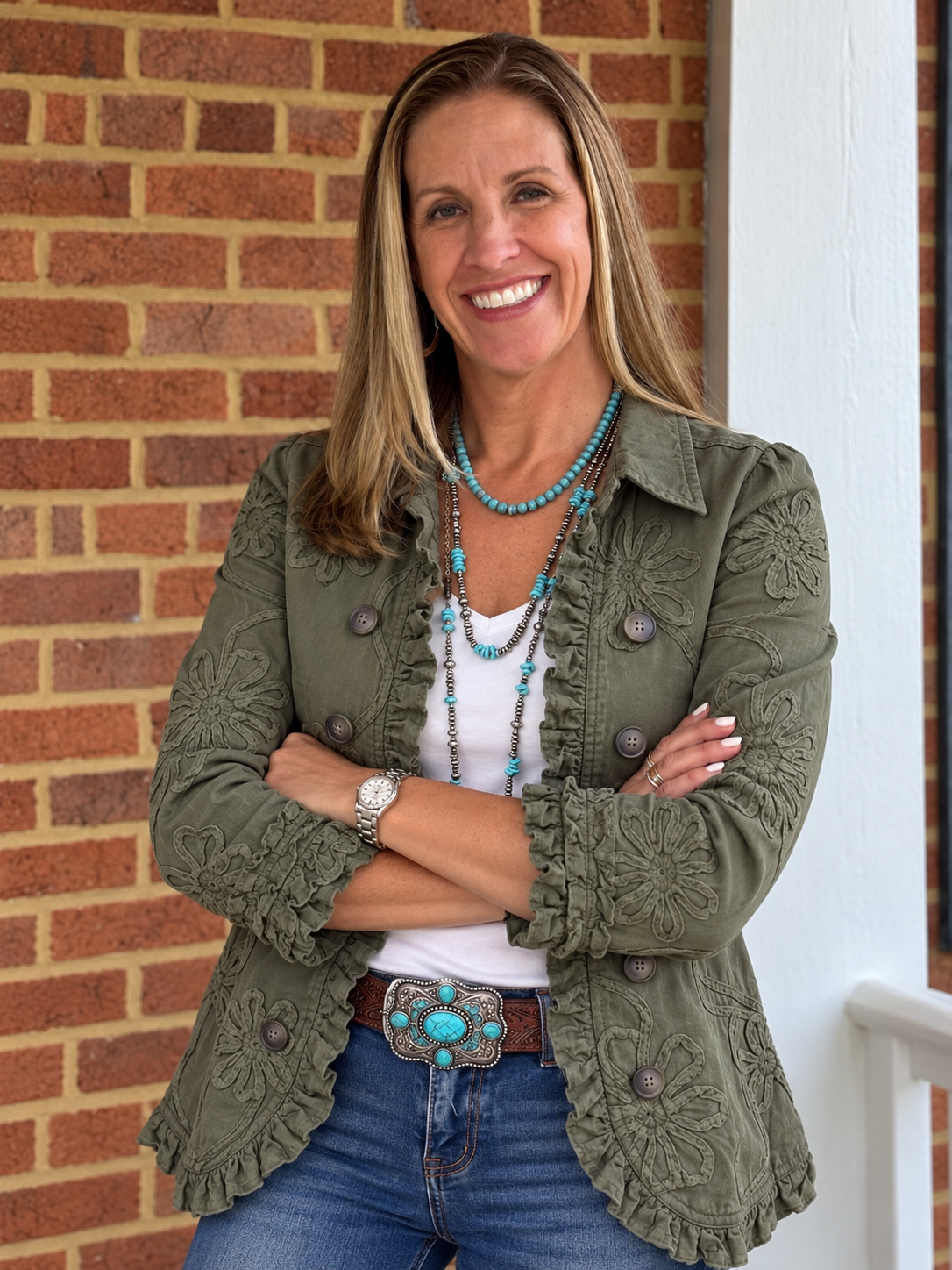
Dr. Gina Casella smiling outdoors beside a brick wall
DR. GINA CASELLAPractice. Learning. Systems.
20+ yearsOccupational therapy & education
2014–2023Autism program coordination
4 subcommitteesOne coordinated improvement effort
Doctoral researchInstructional design & technology

SELECTED WORK

Different settings.
One human-centered approach.

Start with an overview. Open a project to explore the challenge, my contribution, and the thinking behind the work.

01 / SYSTEMS CHANGE · WARREN COUNTY PUBLIC SCHOOLS

Building a shared approach
to autism services.

As Autism Services Improvement Team program coordinator, I brought multidisciplinary expertise into a coordinated, division-level improvement effort.

Program planningTeam leadershipImplementation fidelity
Explore the systems-change work

The challenge

Support more consistent services for students with autism across schools, with practical guidance and professional learning for the staff who serve them.

My contribution · 2014–2023

I applied for and was awarded VCU Autism Center for Excellence technical assistance, then created, organized, and maintained four subcommittees: Evidence-Based Practices, Coaching, Social Skills, and Policies and Procedures. This structure distributed specialized work while keeping it connected to division priorities.

From a team to a support system

I provided professional development and coaching, presented progress to the School Board, and shared the work through autism leadership conferences. In my Tier III/Medicaid coordinator role (2018–2023), I also worked with school leaders to monitor program integrity, support IEP implementation, and coordinate staff learning.

Planning evidence

My Tier III action plan paired action steps with evidence and follow-up: team agendas, learning-center entry and exit criteria, training logs, certification records, implementation monitoring, and scheduled Medicaid reporting. The plan documents intended actions; it is not a completed-outcomes report.

Sources: professional résumé; Tier III/Medicaid Coordinator action plan; training record.

SHARED DIRECTION. SPECIALIST EXPERTISE.

Autism Services
Improvement Team
01Evidence-Based
Practices
02Coaching
03Social Skills
04Policies &
Procedures

Four connected workstreams supporting a common goal.

02 / OCCUPATIONAL THERAPY

Participation starts
with the person.

School-based evaluation, collaborative goals, and practical supports that help students participate in learning and daily school routines.

Explore clinical practice

My experience spans school-based services and adult rehabilitation. In schools, I assess functional skills, sensory-motor needs, self-care, and access to educational activities; develop IEP goals with teams; provide individual and group services; and document progress.

At Prince William County Public Schools, I have also led a technology special interest group in producing an OT resource guide and a sensory special interest group in developing accessible training for teacher assistants.

Source: professional résumé. Prince William County role began August 2023.

03 / PROFESSIONAL LEARNING

Help staff move from
knowing to doing.

Mandt instruction, autism strategies, sensory supports, and coaching connect shared knowledge with day-to-day practice.

Explore staff training

Mandt training and coordination

My training record lists 10–30 relational and technical Mandt trainings per year during 2007–2008 and 2010–2023. My coordinator responsibilities included overseeing school training and monitoring certification records.

Autism and sensory learning

Topics include behavior and social skills for autism, coaching orientation, classroom interventions, and OT sensory support and strategies, including a session listed on April 11, 2025.

Learning beyond the session

I connect staff development with coaching, practical resources, and monitoring of implementation. This portfolio describes professional experience; it does not provide Mandt certification or clinical instruction.

Sources: Trainings.docx; professional résumé. Training dates describe past delivery, not a current trainer credential claim.

04 / INSTRUCTIONAL DESIGN

Learning experiences with
real practice in mind.

Selected graduate coursework at Keiser University.
Academic designs and proposals are identified below.

01INSTRUCTIONAL MULTIMEDIA · IDT 725 · 2023Understanding BehaviorA Canvas course connecting adult learning, purposeful media, and application.

Academic course design. Designed a short online professional development course for teachers at Skyline Middle School, with objectives tied to understanding behavior and applying classroom strategies.

Design choices

Used the ASSURE model to connect learner needs, objectives, media selection, active responses, and evaluation. Integrated presentations, screencasts, interactive video, quizzes, and a final application task in Canvas.

What it demonstrates

Intentional multimedia selection, adult learner analysis, measurable objectives, and consideration of the time available for staff learning near the end of the school year.

Source: Casella Week 7 IDT725.docx, April 23, 2023. Summary of the design paper; no live course or measured training results are presented here.

02TECHNOLOGY-BASED LEARNING MODELS · IDT 724 · 2023Learning Centers: from process to practiceScaffolded guidance for referral, support, and transition processes.

Academic professional development design. Applied constructivist and collaborative learning approaches to the Learning Centers process in Warren County Public Schools.

Design choices

Chunked content into manageable sections, paired step-by-step guides with modeled examples, and proposed interactive videos, case discussions, live feedback, and peer collaboration.

What it demonstrates

Translation of complex procedures into usable learning supports. The needs assessment distinguishes a new process from a performance gap in completing functional behavior assessments.

Source: Casella Week 7 IDT724 .docx, June 25, 2023. Proposed assessment and support strategies are not claims of measured implementation outcomes.

03TRAINING & PERFORMANCE SOLUTIONS · IDT 720 · 2023Evaluating LMS training beyond completionAn evaluation plan linking learning, classroom transfer, and organizational value.

Academic evaluation plan. Developed measures for an LMS performance intervention in the Concord High School course scenario.

Evaluation choices

Proposed participant feedback, pre/post knowledge checks, screenshots or screencasts of classroom application, and later administrative observations. The paper also considered organizational value and return on investment.

What it demonstrates

Planning for evidence at multiple stages, aligning measures with the intended behavior change, and accounting for the time and responsibilities of school leaders.

Source: Gina Casella - Casella Week 7 IDT720.docx, October 16, 2023. This is an evaluation proposal, not a report of collected results.

04MANAGEMENT OF DISTANCE EDUCATION · IDT 722 · 2023A more coherent digital workplaceA collaborative proposal to improve Microsoft Teams adoption.

Collaborative academic proposal with Karen Garcia. Analyzed the fictional Company XYZ’s overlapping use of Teams, Zoom, and Slack and proposed improvements to staff learning and change management.

Design choices

Connected learner characteristics, platform features, clear objectives, and organizational needs to a training improvement strategy.

What it demonstrates

Collaborative analysis and attention to adoption, communication, and resource use. Proposed cost reductions were a rationale for the design, not verified savings.

Source: Casella & Garcia, IDT 722 final paper, December 7, 2023. Company XYZ is an academic scenario.

DOCTORAL RESEARCH · 2026

Keeping the human at the
center of emerging technology.

A Phenomenological Study Exploring GenAI in Virtual Graduate Coursework

Through interviews with six virtual graduate professors, I explored experiences of teaching and grading as generative AI evolves. The study describes tensions around learning, authorship, assessment, and academic integrity.

Read the research perspective

The findings frame a “Virtual Graduate Teaching Seesaw”: educators balance opportunities for AI-supported learning with uncertainty about authentic student work and the need to preserve human thinking.

The study points toward transparent expectations, human-centered assessment, faculty collaboration, practical guidance, and sustained professional development. Its qualitative findings reflect the experiences of six participants and are not population-wide estimates.

Source: signed dissertation, August 2026, abstract and study overview.

HOW I LEAD

Make the work clear.
Make progress together.

I bring structure to complex work: a shared purpose, manageable milestones, the right expertise, and a way to check progress.

  1. 01

    Define the destination

    Translate needs into clear goals, action steps, and evidence of progress.

    In practice: action plans linking responsibilities, evidence, and follow-up.
  2. 02

    Plan the path

    Establish personal and group timelines, sequence milestones, and coordinate concurrent responsibilities to meet deadlines.

    In practice: division projects alongside scheduled reporting, certification monitoring, and program planning.
  3. 03

    Put expertise to work

    Delegate responsibilities to subject matter experts and keep specialized contributions aligned with shared goals.

    In practice: four autism subcommittees with distinct areas of responsibility.
  4. 04

    Follow through & refine

    Use check-ins, coaching, documentation, and implementation evidence to guide the next step.

    In practice: staff learning paired with monitoring and collaborative problem-solving.

My planning approach, illustrated by the roles and artifacts in this portfolio.

ABOUT GINA

A practitioner’s perspective.
A designer’s intention.

My work begins with a practical question: what will help this person, this team, or this school participate more fully?

Across occupational therapy, autism program leadership, and instructional design, I turn evidence and specialist knowledge into resources people can use. I value collaborative decisions, clear expectations, and learning that carries into everyday practice.

Education & professional foundation

Doctoral study, Instructional Design & Technology
Keiser University · 2026

M.S., Occupational Therapy · Duquesne University · 2000
B.S., Health Science · Duquesne University · 1999

Virginia occupational therapy licensure · Sensory Integration and Praxis Test certification listed in professional résumé.

LET’S CONNECT

Better learning.
Stronger systems. More possibility.

Connect with me about occupational therapy, staff learning,
instructional design, and collaborative program development.

Email Gina